
2026 Impact Report
A Message from Our CEO

Dear Friends and Supporters:
For 60 years, Community Action Marin has worked to fight both the causes and the consequences of poverty. From beginnings in Marin City, building solutions together for those facing a housing crisis, to today’s county-wide anti-poverty movement building efforts, we continue to help people and change lives.
The vision and strength of our community can be seen in people like Atenea and Cordell, who you’ll meet here. Atenea earned her degree while raising her children. Cordell reminds us how much it matters to know your community is in your corner. Their stories bring the purpose of our work into focus: helping people build stability, pursue their goals, and experience belonging.
In these pages, you will see the Marin we are working toward: a place where every child gets a strong start, everyone has a place to call home, basic needs are met, and people have the power to shape their own futures.
This is the legacy we are building together—a legacy powered by community. Your support helps make that vision possible. I invite you to join us in building the next 60 years.
In solidarity,

60 Years of Impact
22K+
SERVICES
delivered to Marin community members
5,134
INDIVIDUALS
served directly by our dedicated staff
74%
OF HOUSEHOLDS
received multiple services
A Marin Where Every Child
Has a Strong Start

Providing high-quality early education gives children the foundation they need to arrive at kindergarten ready to learn and succeed.
At Community Action Marin’s early education centers, family child care homes, and socialization sites supporting home visits, children learn through play, build relationships, explore new ideas, and develop the social and emotional skills they carry with them into school and life.
For many families in Marin, however, high-quality early education is out of reach without assistance. Licensed child care in Marin County now costs an average of $2,315 per month per child, a 38% increase since 2018.*
As Marin County’s Head Start and Early Head Start grant recipient, Community Action Marin provides free and affordable, high-quality early education to more than 500 children each year—children who might otherwise have no opportunity to attend preschool.
Early education addresses the needs of the whole child, preparing them for life. Children in our programs receive nutritious meals, developmental screenings, health and dental support, and opportunities to build healthy routines. Families receive resources and connections to help their children grow and to pursue their own goals.
When children have a safe, nurturing place to learn, parents can work, pursue an education, and build greater stability for their families.
Every child deserves the opportunity to start school ready to learn and succeed. Making that possible is an investment in children, families, and the future of our community.
*marinij.com/2026/07/18/marin-childcare-tax-measure-slated-for-fall-election
575
CHILDREN
learned and grew in CAM’s early education programs
116
PRESCHOOL GRADUATES
prepared to take their next step into school
98%
OF PARENTS
surveyed said CAM helped them maintain employment
Meet Fran
Help people. Change lives.
A Marin Where Everyone
Can Meet Their Basic Needs

Working hard and doing everything you can to get ahead does not always cover the costs of the basics.
In Marin, 79% of extremely low-income households spend more than half their income on housing.* Add the rising costs of food, child care, health care, transportation, and utilities, and a household budget can quickly become overwhelmed. For individuals and families, that can mean difficult choices about what to pay for and what to go without.
Community Action Marin works to remove barriers to basic necessities so that children, families, and older adults have access to what they need.
In our early education programs, we make sure children have nutritious food every school day. Fresh meals are prepared in our Central Kitchen, and produce from CAM’s Production Farm makes its way into children’s meals and, when available, home with families. Through nutrition education and gardening, children also learn where their food comes from and how healthy choices become part of everyday life.
Our Economic Justice team helps people apply for CalFresh and Medi-Cal, access home energy assistance, receive emergency food and housing support, and connect with resources through the Season of Sharing Fund. We help people navigate systems that can be difficult to access, especially when a family is already under financial strain.
These are basic needs we all have; access to food, housing, and healthcare should not depend on a family’s income.
*calhousingpartnership.org/housing-needs
108K+
NUTRITIOUS MEALS
prepared and served to children
3K+
POUNDS
of fresh produce grown locally and distributed
350
CHILDREN
received hands-on gardening education
$682K
PROVIDED
to community through Season of Sharing Fund
Meet Kristen & Lorena
A Marin Where Everyone
Has the Power to Shape Their Future
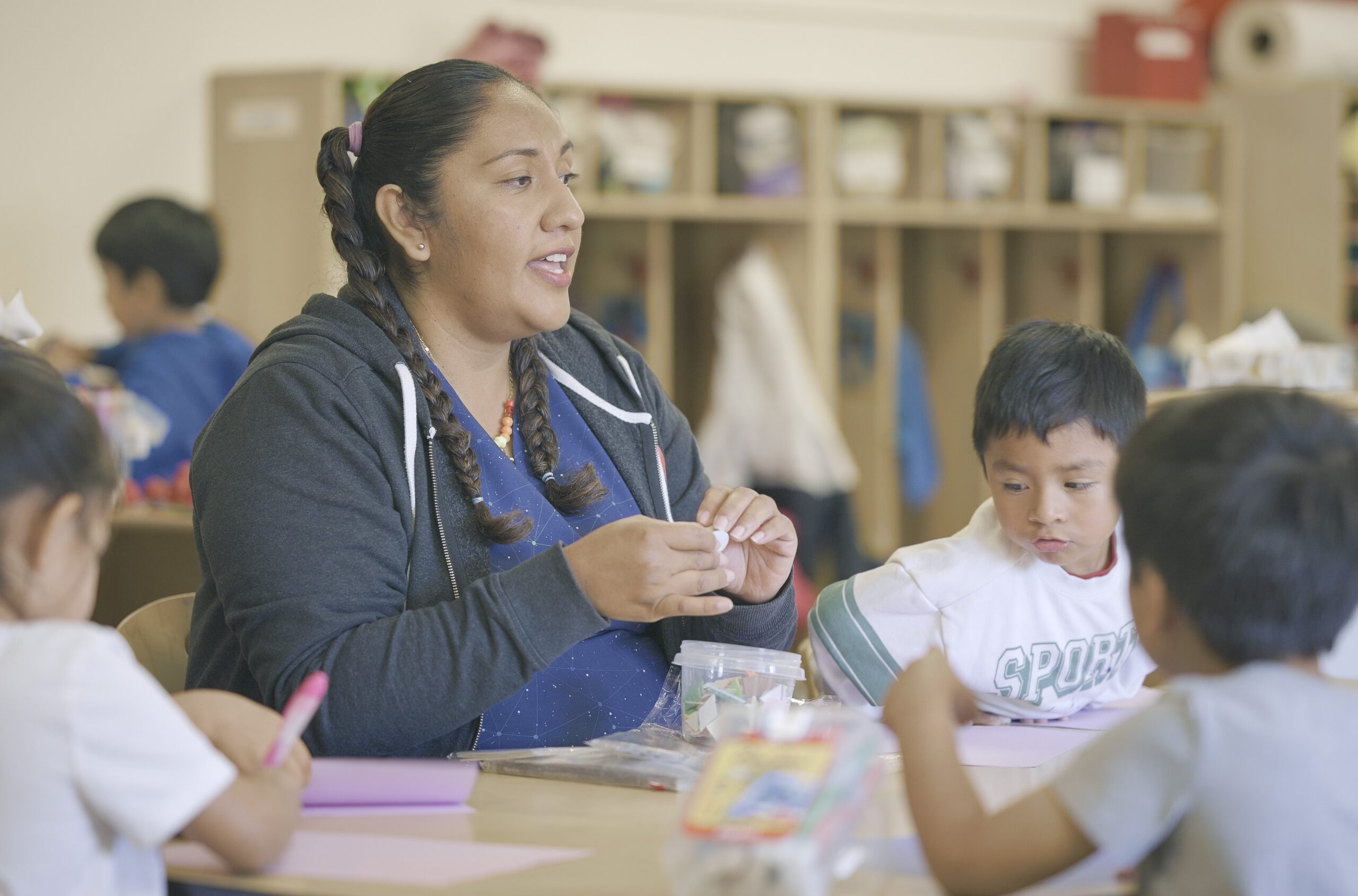
Atenea Portillo Hernandez was working two jobs and expecting her second child when she sought a way to continue her education. Through CAM’s Early Childhood Education Apprenticeship (ECEPTS) and classes at College of Marin, she earned her associate degree in early care and education—building a new path for herself and her children.
For Atenea, continuing her education opened a path toward greater financial stability. For others, the next step might be finding a job, building savings, or getting help with everyday expenses.
We believe people should have the opportunity to determine what comes next in their own lives. The goal is not simply to help someone get through a difficult month; rather, it is to create more choices, build financial stability, and open doors to what comes next. Our Benefits Enrollment Center helps people understand and access benefits that can make a meaningful difference in a household budget. Through our VITA (Volunteer Income Tax Assistance) program, eligible households receive free tax preparation and assistance accessing tax credits and benefits they have earned.
Whether it means putting more money back into a household, gaining a new skill, earning a degree, or finding a path to a career, these opportunities can change what is possible. Self-determination means having the resources and choices to shape your own future. That is the opportunity we work to create.
$796K+
RETURNED
to 356 households through free tax preparation
33
GRADUATES
from workforce development programs
2,000
HOURS
of paid experiences per ECEPTS participant
A Marin Where Everyone
Has a Place to Call Home
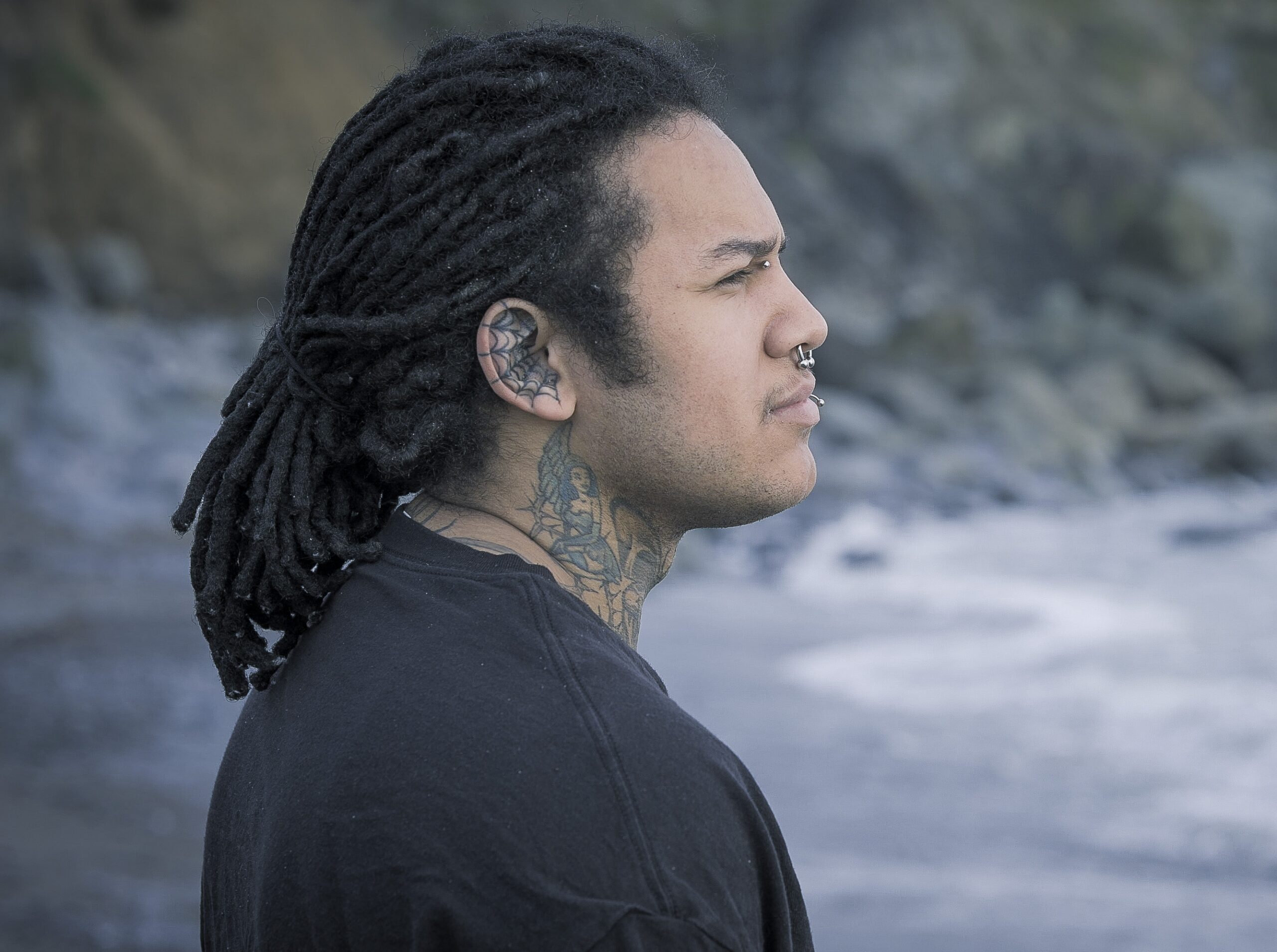
Home is more than a roof or an address. It is the feeling of belonging, of being able to plant roots, build relationships, and be part of the community. For too many people in Marin, that sense of belonging is threatened by the high cost of housing.
Community Action Marin advocates for fair and just housing policies so that anyone who wants to call Marin home has a real opportunity to do so.
Our Housing Justice team helps people navigate the immediate realities of housing instability, from accessing emergency assistance and avoiding eviction to navigating displacement and finding a path forward after a crisis. We also provide housing support to transitional-age youth at College of Marin, helping young people pursue their education while building greater stability.
For immigrant families facing the sudden detention or deportation of a loved one, our Immigrant Emergency Assistance Fund provides emergency financial assistance, legal support, and help navigating the crises that can follow when a household suddenly loses income or stability.
But direct support is only part of the work. When 12 families were displaced from Novato’s Romar Court in 2025, CAM and community partners helped provide emergency housing, food, and other immediate support. We also stood with affected families as they advocated for stronger renter protections. Their advocacy contributed to Novato’s Tenant Protections Ordinance, adopted in April 2026. CAM is now working with partners to bring the conversation about stronger tenant protections to San Rafael and other cities across Marin.
1,291
INDIVIDUALS
received rental or utility assistance
58
PEOPLE
received housing deposit assistance
49
PEOPLE
moved into temporary or permanent housing
Meet Cordell
Help people. Change lives.
The Realities of Poverty
Poverty is not simply about income.
It is about the policies, systems, and conditions that shape people’s choices and opportunities. These realities shape how we approach our work. We respond to immediate needs, while also asking what created those needs in the first place and what we can change together.
Here’s what we have learned throughout the course of our 60-year history:
Poverty results from policy choices, but we can choose policies that produce equity.
- Poverty does not happen in isolation. It is shaped by the policies and systems that determine who has access to housing, education, health care, economic
opportunity, and other resources. These conditions are not inevitable. - The choices we make as a society can create barriers, or they can remove them. When we change the policies and systems that produce inequity, we change what is possible for people and communities.
Poverty limits access to resources and options, but we can create opportunities for all.
- Poverty is not only about having less money. It can mean having fewer choices. When housing consumes most of a paycheck, there is less left for food, child care, transportation, or an unexpected expense. When child care is unaffordable, parents may have fewer options for work or education. When one emergency can put a household at risk of losing its home, even small setbacks can have lasting consequences.
- Creating opportunity means expanding those choices, ensuring that people have access to the resources, stability, and pathways they need to determine what comes next.
Poverty is part of Marin’s story, but we can create a bright future free from poverty.
- Despite Marin’s affluence, nearly 16% of Marin residents, about 39,000 people, live in poverty.* Low wages, unstable housing, and a lack of benefits can make working hard insufficient to achieve financial stability. Poverty is part of our community’s story, but it does not have to define our future.
- We can make different choices. We can build a Marin where everyone has access to opportunity, where basic needs are met, and where the conditions that create poverty no longer determine what is possible for our neighbors.

We know what happens when a community shows up, when neighbors organize, advocate, and invest in one another.
Our community is a shared community. Together, we must work to ensure a democratic, fair, and just society.
The future we want will not happen on its own. It will take all of us: listening to our neighbors, understanding the challenges facing our community, making resources easier to reach, advocating for policies that produce equity, and investing in the people and organizations doing this work.
The work is ours—a collective effort. For 60 years, Community Action Marin has been powered by community.
The next 60 years will be, too.
Join the Anti-Poverty Movement
LISTEN
Learn what Marin residents say they need through our Community Needs Assessment dashboard.
ADVOCATE
Stay connected to issues affecting housing, economic opportunity, early education, and family well-being.
GIVE
Your gift helps children thrive, families stay housed, and neighbors build more secure futures.
2026 Impact Report
In accordance with Federal civil rights law and U.S. Department of Agriculture (USDA) civil rights regulations and policies, the USDA, its Agencies, offices, and employees, and institutions participating in or administering USDA programs are prohibited from discriminating based on race, color, national origin, religion, sex, disability, age, marital status, family/parental status, income derived from a public assistance program, political beliefs, or reprisal or retaliation for prior civil rights activity, in any program or activity conducted or funded by USDA (not all bases apply to all programs). Remedies and complaint filing deadlines vary by program or incident.
Persons with disabilities who require alternative means of communication for program information (e.g., Braille, large print, audiotape, American Sign Language, etc.) should contact the State or local Agency that administers the program or contact USDA through the Telecommunications Relay Service at 711 (voice and TTY). Additionally, program information may be made available in languages other than English.
To file a program discrimination complaint, complete the USDA Program Discrimination Complaint Form, AD-3027, found online at How to File a Program Discrimination Complaint and at any USDA office or write a letter addressed to USDA and provide in the letter all of the information requested in the form. To request a copy of the complaint form, call (866) 632-9992. Submit your completed form or letter to USDA by: (1) mail: U.S. Department of Agriculture, Office of the Assistant Secretary for Civil Rights, 1400 Independence Avenue, SW, Mail Stop 9410, Washington, D.C. 20250-9410; (2) fax: (202) 690-7442; or (3) email: program.intake@usda.gov.
USDA is an equal opportunity provider, employer, and lender.